
Biodegradable and Recyclable Packaging: Environmentally Friendly Options in 2025
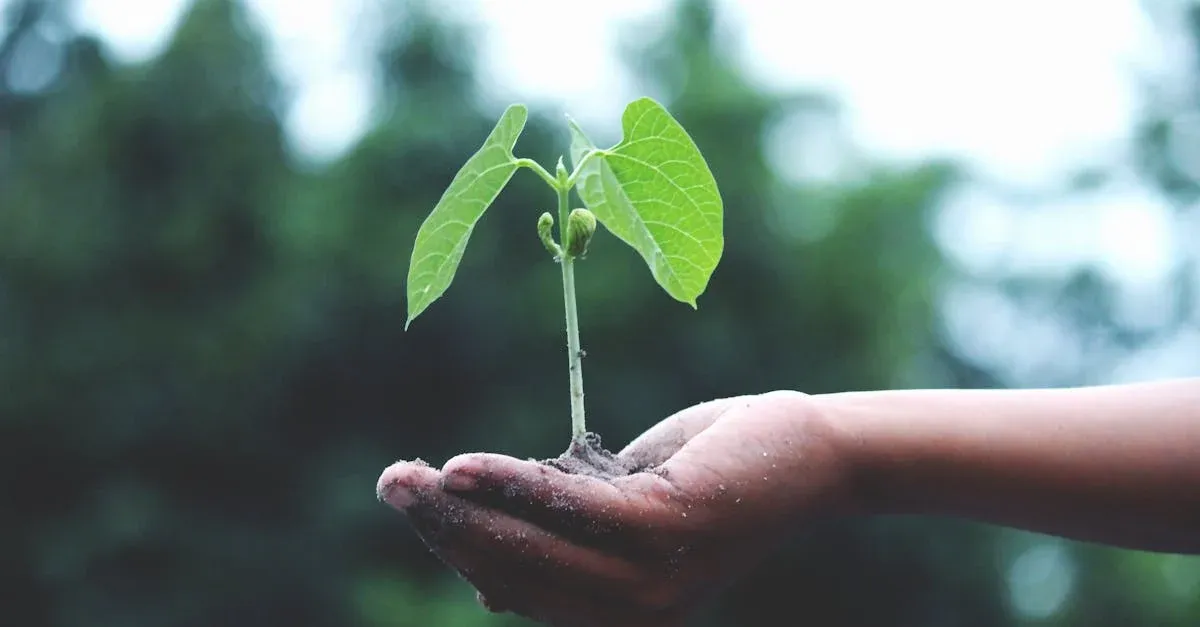
In recent years, we have better understood the importance of environmentally friendly living. Products that do not harm nature are now part of our daily lives. In this process, biodegradable packaging and recyclable plastics are indispensable for environmentally conscious consumers. It is very important to turn to such innovative packaging solutions both to use natural resources more efficiently and to reduce environmental pollution. In 2025, the understanding of sustainability is becoming more widespread, leading us to become more aware of biodegradable packaging and recycling .
Main Points
Biodegradable packaging products, which can quickly mix with nature, reduce our environmental footprint. Recyclable plastic , on the other hand, supports the conservation of resources and energy savings. In this way, they play an important role in the fight against plastic pollution. Today, as environmentally conscious consumer preferences increase, businesses are focusing on offering more sustainable products. The relationship between biodegradable packaging and the environment will become even stronger in the future, contributing to the protection of biodiversity.
Definition and Importance of Biodegradable Packaging Materials
Biodegradable packaging is a solution that reduces environmental pollution by dissolving easily in nature. Today, with growing environmental concerns, sustainable packaging solutions are becoming inevitable. However, interestingly, not all recycled plastics are biodegradable. This is where the importance of biodegradable packaging becomes even more important.
The use of biodegradable packaging integrates a green approach to conserve natural resources and reduce waste. Most people think that biodegradable materials can only consist of plastic waste. However, the reality is quite different. Here are the points to pay attention to:
-
Breakdown is conditional: it depends on the material, temperature, oxygen and microbial activity. A “biodegradable” label on its own does not mean a product breaks down in every environment.
-
Sustainable resources: They are usually made from plant-based materials.
-
Carbon footprint: can be lower than conventional plastic when the product is disposed of under the right conditions.
-
Energy savings: Less energy is consumed in the production process.
It is worth reconsidering your choices for a more sustainable future. Remember, the right packaging choice can change the world.
Innovative Technologies Used in Biodegradable Packaging in 2025
In 2025, recyclable plastic products and biodegradable packaging technologies offer promising solutions for the environment. Newly developed enzyme-based materials enable plastics to dissolve faster in nature, while nanotechnology-supported layers increase durability. Moreover, the impact of these technologies on sustainability is being debated. But everyone continues to ask the question “which innovation actually benefits the environment?”. Choosing between recycled plastics and traditional biodegradable materials may not be as simple as it seems. Nevertheless, it seems possible to contribute to nature step by step with these developments.
Recyclable Packaging Solutions: Environmental and Economic Benefits
Today, sustainability is of great importance both environmentally and economically. Biodegradable packaging solutions have a positive impact on the environment by reducing the amount of waste. These solutions encourage the efficient use of resources. Moreover, recycling reduces energy consumption and carbon footprint. However, these transformation processes can be costly. Preferring recycled plastic materials provides economic benefits in the long term. However, sometimes quality standards vary depending on the place of use.
The Impact of Biodegradable and Recyclable Packaging on Consumer Preferences
Today, consumers tend to prefer environmentally friendly products. In this context, biodegradable packaging and recyclable plastic options stand out. Many people want to reduce their environmental footprint by using such packaging. However, these preferences do not always fit into the budget, as these materials can sometimes be more expensive. Also, some consumers, concerned about the quality of the products, do not opt for alternatives. Nevertheless, growing awareness could lead to a greater preference for sustainable packaging. Packaging manufacturers are therefore responding to this market demand with green solutions.
Sustainable Packaging Design: The Future of Environmentally Friendly Options
Biodegradable packaging design of the future is one of the most important ways to ensure environmental sustainability. However, some designers want to go beyond the limits with innovative materials. The use of recycled plastics is pushing industry standards. Still, the efficiency of recycling processes is questioned. Nevertheless, new trends in packaging design are dazzling. The aim is to develop environmentally compatible solutions. Therefore, producers and consumers should embrace innovative solutions. However, some cliques are blocking this change. Nevertheless, the future of sustainability looks bright.
Biodegradability and Recycling: Legislation and Standards for Businesses
Environmental responsibilities are becoming increasingly important for businesses. In particular, the use of biodegradable packaging and recyclable plastics creates an environmentally friendly image and meets certain legal standards. However, how businesses approach this issue can be complex. For example, biodegradable products may not disappear in nature as quickly as one might think. A trained workforce is essential for the effective use of such materials.
“Biodegradability is revolutionizing waste management, but businesses need to take the right steps.” (GreenBiz, 2022)
From a regulatory perspective, violations of sustainability reporting can lead to serious penalties. While the recycling economy offers new business opportunities, it also carries risks of misinformation. So how to manage all this complexity? Businesses can benefit from expert consultancy services in this process, and who knows, maybe they will realize that they are part of the green economy.
Environmental Awareness and the Impact of Sustainable Packaging on Society
Environmental awareness plays a critical role in building a sustainable world. It is vital to draw the attention of both individuals and society to this issue. Sustainable packaging helps reduce the environmental footprint. Biodegradable packaging and recycled plastic are key elements of this transformation. However, no one can take these steps easily. Packaging choices are characterized by complex criteria and consumers navigate an ocean of uncertainty.
-
Biodegradable packaging: breaks down naturally under suitable conditions; where those conditions are absent, the process does not run.
-
Recyclable plastic : Consumes fewer resources, reducing the need for raw materials.
As environmental awareness increases, it is obvious that society will become more aware of this issue. Nevertheless, some individuals still find it difficult to accept this change. In conclusion, environmentally friendly approaches positively affect not only nature but also society. However, this process may not be as simple as we think. And it is difficult to achieve success without the involvement of all segments of society.
Related content:
- GRS Bag and Certificate: The Foundation for a Sustainable Future
- Which Food Packaging Is Healthier?
- What Is the Global Recycled Standard (GRS) Certificate?
Where DEKA Plastik stands
The discussion above covers the field in general. Here is where DEKA Plastik’s biodegradable bag sits within it, stated plainly.
The product is not plant-based. It is polyethylene film with a d2w oxo-biodegradable additive; no PLA, corn starch or comparable plant-derived resin is involved. DEKA Plastik is an accredited user of Symphony Environmental’s d2w technology. That certificate evidences use of the technology — it does not evidence degradation performance or a timeframe, which is why we publish no breakdown period.
It is not compostable. By Symphony’s own statement the industrial composting standard does not apply to this product. “Home compostable” and “industrially compostable” cannot be claimed for it.
If you ship into the EU this product is not suitable — and the reason is specific. Directive (EU) 2019/904 prohibits placing products made from oxo-degradable plastic on the EU market. DEKA Plastik does not offer this product to EU buyers; that is a sales policy, not an interpretation.
For EU shipments we have two alternatives, both document-backed: the recycled-content GRS Bag — produced under our GRS 4.0 and RCS 2.0 Scope Certificates — or the Ecopure Bag. The full product page is biodegradable bag.
Conclusion
As we move towards 2025, there is growing interest in sustainable packaging solutions as environmental awareness increases. Biodegradable packaging and recyclable plastics are important options in this area. Both types of packaging contribute to protecting natural resources and reducing the amount of waste. Since biodegradable packaging can rapidly decompose in nature, it can disappear without harming the environment. Similarly, recyclable plastics play an active role in waste management thanks to their reusability. In the future, more widespread use of these environmentally friendly options would be a promising step. With these steps, we will have made an important start towards a cleaner and more livable world.
Frequently Asked Questions
What is biodegradable packaging?
Biodegradable packaging is a type of packaging that can be completely degraded in nature by microorganisms without harming the environment.
What does recycled plastic mean?
Recycled plastic refers to plastic products that are reprocessed and made reusable when they become waste.
What are the differences between biodegradable packaging and recycled plastic?
While biodegradable packaging is biodegradable, recyclable plastics need to be processed in recycling plants to be reused as raw materials.
How does biodegradable packaging contribute to the environment?
Biodegradable packaging does not turn into piles of garbage in nature, it breaks down without disrupting the structure of the soil and thus reduces environmental pollution.
Why is it important to recycle recyclable plastics?
Recycling recyclable plastics prevents the depletion of natural resources, saves energy and contributes to environmental protection by reducing plastic pollution.