
Which Food Packaging Is Healthier?
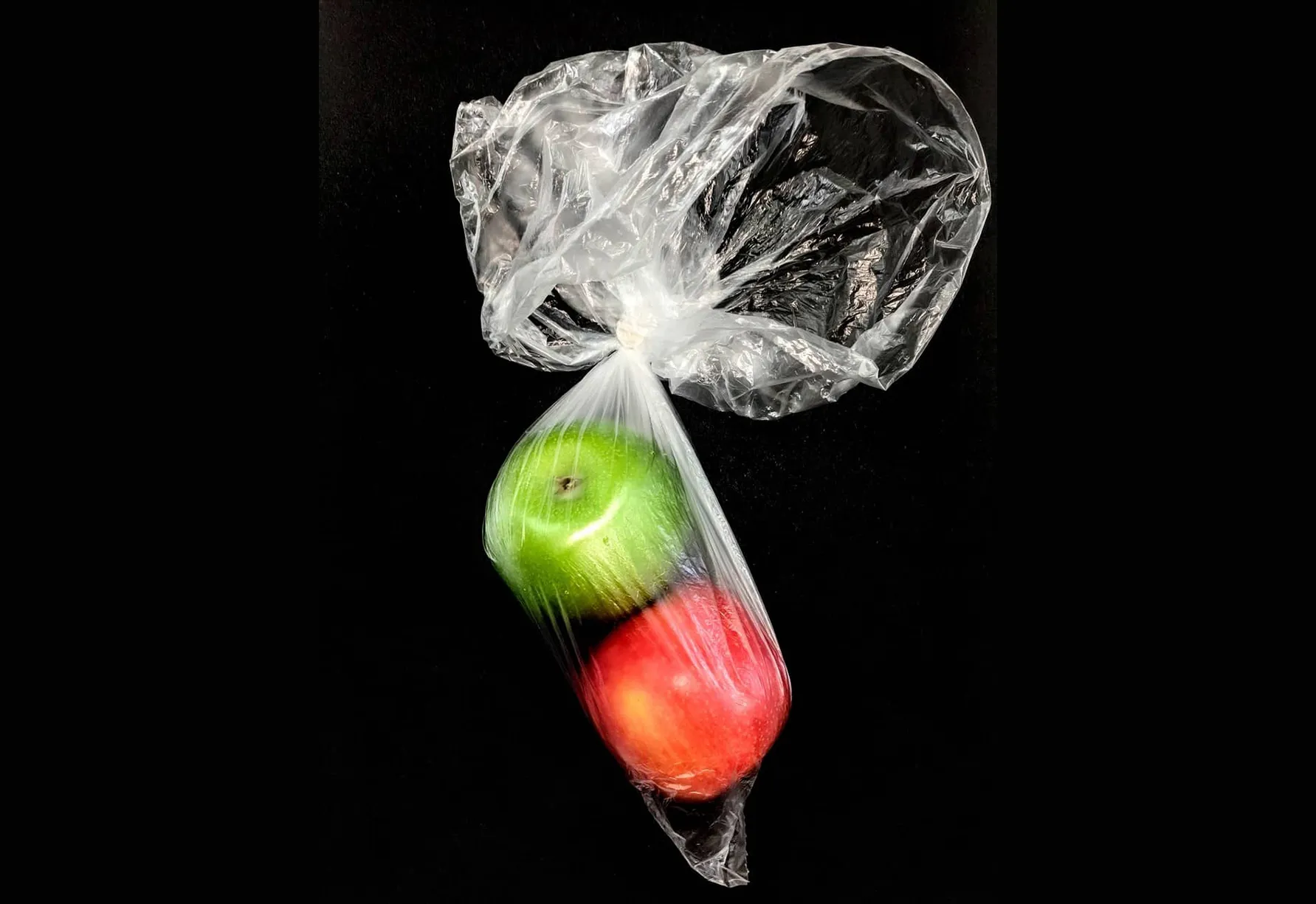
Since many food materials consumed in daily life are served to you in various packages, it is possible to make detailed examinations on food packaging as well as the quality of the product. One of the most important questions that comes up, especially for individuals who want to keep their health standards at high levels and want to keep diseases caused by environmental influences away from their lives, is which food packaging is healthier.
In this article, we will give you information about both food packaging and the use of plastic materials in food packaging, and we will also try to explain the misconceptions.
What is Plastic Food Packaging?
Turkey, which has made a serious development in the food sector and has managed to consolidate its place among the world’s food exporters with technological breakthroughs in recent years, generally prefers plastic for food packaging. Most of the products circulating both in the domestic and international markets are preserved in plastic food packaging. So, what is this plastic food packaging?
Plastic food packaging, which has varieties such as bread packaging, dry food packaging, dried food packaging, nuts packaging, pasta packaging and spice packaging, can be considered as storage elements using materials such as LDPE, OPP and BOPP as raw materials. Although these packages, which you may encounter in markets or grocery stores, are considered unhealthy and should be avoided by many people because they are plastic, the reality is quite different.
Is Plastic Food Packaging Healthy?
Before making a detailed explanation about whether plastic food packaging is healthy or not, it is necessary to mention a few issues related to the production of these packages. Plastic packaging, especially for food, is preferred by obtaining the necessary permits from the Ministry of Agriculture and Rural Affairs. The use of packaging materials containing pests that will reduce the nutritional value or adversely affect human health when in contact with food will not be accepted by packaging manufacturers and is strictly prohibited by authorized institutions.
In the light of the above information, it is absolutely out of the question that the products used in food packaging do not comply with health standards. Otherwise, both the packaging manufacturer and the food producer company will face serious sanctions.
Where does the “plastic packaging is unhealthy” perception come from?
It is accepted that there are 2 different reasons for the misperception about plastic packaging. The first of these is considered to be people who make unconscious comments and cause misinformation to the public. In this sense, the opinion of experts should be sought before making definitive judgments about packaging.
A second reason that causes misperception is the so-called under-the-stairs producers who supply packaging materials without meeting the necessary conditions. Since all products, especially the raw materials used by these people or companies, do not comply with health conditions, the resulting packaging is also unhealthy. In this sense, manufacturers must be careful when choosing food packaging.
The right question is not “which material” but “which document”
Health discussions about food packaging usually run along material lines — glass, metal or plastic. Regulation works differently: it looks at behaviour, not material. What is measured is how much substance transfers from the packaging into the food it touches. That is migration, and it has to be documented.
In the EU the framework is set by Regulation (EC) 1935/2004, with detailed rules for plastics in Regulation (EU) 10/2011. The Turkish counterpart is the food-contact materials legislation under the Turkish Food Codex. These set limits for specified substances and expect the producer to evidence compliance.
So the question that actually matters to a buyer is this: is this packaging’s food-contact compliance documented, who issued the document, and what does it cover? Generalisations like “plastic is unhealthy” or “glass is always better” do not answer it.
Why recycled content and food contact do not combine
Sustainability and food safety are often asked for in the same breath, but in food-contact packaging each constrains the other. Because the history of recycled feedstock cannot be fully traced, using it in products that will touch food is subject to separate and far stricter conditions.
In practice: if a product is meant to carry both a high recycled content and food-contact compliance, how those two requirements will be met belongs in the order conversation. Where a producer offers both together as a matter of course, ask what it rests on.
Where DEKA Plastik stands
The discussion above covers the field in general. On our side:
Food-contact production is carried out on request, and that production falls within our food-contact declaration. The declaration is scoped by facility rather than by product: it covers all products manufactured at our facility that are intended to come into contact with food. On the quality side we hold ISO 9001:2015 and ISO 22000:2018.
Only virgin polymer is used in food-contact production; no recycled feedstock is employed. That is the limit described above as it applies here, and it is fixed by document. Our recycled-content products — the GRS Bag among them — are for non-food use.
For our food-contact products see the dry food packaging page, and request the document you need at the quotation stage. We do not publish certificate numbers on the site; they are shared on request.